The management and protection of corporate assets is a key concern for modern businesses operating in increasingly dynamic and competitive environments. Ensuring the integrity and security of a company’s tangible and intangible assets is essential to supporting processes and activities and safeguarding competitive advantage. Having technological solutions that enable effective, real-time, and proactive supervision is essential to identifying and preventing risks and threats.
Leading companies are increasingly investing in the integration of physical and digital platforms for the holistic monitoring of assets, from structures to plants, from machinery to information systems. The goal is to enhance preventative capabilities, minimize downtime and inefficiencies, and enable data-driven decision-making processes. Designing effective technological architectures for the control and monitoring of corporate assets is therefore a key skill for ensuring competitiveness, resilience, and long-term sustainability. This is a highly topical and relevant issue for the modern business world.
Corporate Assets: Tools and Technologies for Advanced Monitoring
Modern companies make extensive use of advanced tools and technologies to monitor their corporate assets. These solutions allow you to monitor vulnerable areas and prevent potential problems. A widely used technology is video surveillance systems. Closed-circuit television cameras allow real-time monitoring of internal and external environments, such as warehouses, offices, and parking lots.
The most advanced systems integrate artificial intelligence functions capable of detecting anomalous patterns and suspicious behavior. To monitor the security of IT networks and sensitive data, advanced network traffic monitoring systems and vulnerability assessment tools are used. These tools identify potential cyber threats and unauthorized access points. Many companies conduct periodic penetration tests to verify the robustness of their IT defenses. In the supply chain, RFID technology is used to track products and materials along the supply chain. RFID tags allow real-time monitoring of the location and status of goods and equipment.
Other advanced tools for supply chain monitoring include GPS systems and IoT sensors. For corporate fleet management, telematics solutions allow monitoring of various vehicle parameters, such as location, fuel consumption, and maintenance. Fleet managers can thus optimize fleet utilization and plan targeted interventions. Environmental monitoring solutions in buildings using IoT sensors detect parameters such as temperature, humidity, and air quality.
This allows for energy consumption optimization and ensures optimal working conditions. Modern monitoring and control technologies play a key role in protecting company assets and optimizing processes. The choice of the most suitable monitoring and control solutions for vulnerable areas must be made by assessing the company’s risks, critical issues, and business objectives.
Business Operations and the Future of Monitoring with Integrated Systems and Artificial Intelligence
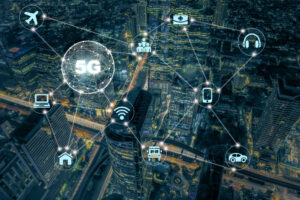
Companies are rapidly evolving the ways they monitor their activities, leveraging integrated systems and artificial intelligence technologies. A future is emerging in which the supervision of processes, assets, and performance will be increasingly automated, predictive, and optimized. Thanks to the Internet of Things, connected sensors and devices will provide enormous amounts of real-time data across all areas of the business. Powerful analytics software will process this data, identifying patterns and anomalies.
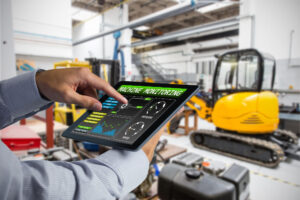
Artificial intelligence will be able to detect risks, perform predictive diagnoses, and suggest corrective actions without human intervention. Cyber-physical systems will integrate monitoring of the physical and virtual environment. For example, robots equipped with sensors will monitor industrial processes, quickly detecting any malfunctions. IT systems will continuously monitor the security of networks and data with artificial intelligence algorithms that constantly identify new threats.
The supply chain will be supervised in real time via IoT and blockchain solutions to track materials and products, prevent theft, and ensure quality. Self-driving vehicles will monitor themselves using sophisticated sensors. The future of corporate monitoring lies in the integration of cyber-physical monitoring system design and the widespread use of predictive algorithms. This will enable companies to anticipate and prevent risks, optimize processes, and make data-driven decisions in real time. The design of these integrated systems will be a core competency for ensuring efficiency, quality, and safety.