The evolution of modern digital infrastructure requires increasingly sophisticated solutions for data center management. A data center platform represents the technological response to this need, taking the form of an integrated ecosystem that combines elements of advanced automation, artificial intelligence, and predictive management.
This next-generation architecture transforms the traditional data center into a dynamic and adaptive environment, where computational resources are orchestrated in real time to optimize performance, security, and energy efficiency. The integration of emerging technologies such as machine learning, edge computing, and IoT systems creates an operational framework that raises standards of reliability and resilience, preparing organizations for the challenges of the digital age.
Data Center Platform: What is a Smart Data Center Platform?
The modern data center platform represents an integrated technological ecosystem that evolves the traditional concept of the data center towards an intelligent and adaptive model. The architecture is based on a unified management framework that incorporates elements of automation, machine learning, and artificial intelligence. At the heart of the system are software-defined controllers that dynamically orchestrate computational resources, optimizing critical parameters such as energy consumption, temperatures, and processing capacity in real time. Networking is designed and implemented using advanced mesh topologies that ensure redundancy and resilience.
The infrastructure implements predictive systems for performance monitoring and failure prevention, using distributed IoT sensors that power analysis algorithms capable of identifying anomalous patterns and trigger events. Advanced virtualization enables granular resource management with container orchestration and microservices. The perimeter security layer integrates threat intelligence and zero-trust architecture solutions, while the cooling systems employ innovative technologies such as liquid cooling and geothermal free cooling. Computational density is optimized through modular designs that maximize space efficiency. The entire platform operates according to environmental sustainability principles, implementing smart grids for power supply and energy recovery systems.
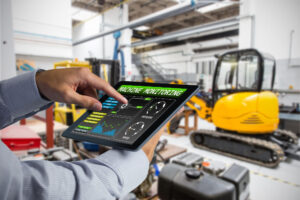
The centralized monitoring dashboard provides advanced analytics and real-time KPIs, enabling proactive interventions and predictive infrastructure management. Scalability is ensured by hyperconverged architectures that enable dynamic resource expansion, while standardized automation protocols ensure interoperability between heterogeneous components and coordinated workload management.
Data Center Platforms: The Benefits of Smart Solutions for Data Center Management
Technological evolution in the data center industry is redefining the operational and management standards of modern IT infrastructures. Digital transformation is driving the adoption of innovative paradigms that overcome the limitations of traditional systems, introducing elements of artificial intelligence and advanced automation into management processes.
The convergence of emerging technologies and operational needs creates a complex ecosystem where efficiency, security, and scalability are strategic imperatives. In this context, smart solutions emerge as a response to the growing challenges infrastructure managers face daily. The implementation of intelligent architectures brings a series of significant benefits that impact all operational and strategic aspects of the data center. These benefits translate into tangible performance improvements, resource optimization, and increased business competitiveness.
Among the key advantages of adopting smart solutions in modern data center management are:
1.Dynamic Energy Optimization: The implementation of smart grid systems allows for granular control of energy consumption. Machine learning algorithms analyze usage patterns and automatically adjust resource allocation, reducing energy operating costs by up to 40%.
2.Advanced Predictive Maintenance: IoT-based monitoring systems and smart sensors identify potential problems before they occur. Predictive analytics reduce unplanned downtime by 75% and optimize maintenance cycles.
3.Operational Process Automation: Modern data center platforms implement automated procedures for managing operational routines. Automated workflows reduce human errors by 90% and increase operational efficiency by 60%.
4.Intelligent Scalability: Adaptive networking solutions enable the dynamic expansion of resources based on actual demand. Automated horizontal scaling optimizes resource utilization with a 50% increase in efficiency.
5.Enhanced Security: The integration of AI-driven security systems provides multi-layered protection. Behavioral monitoring and real-time threat analysis reduce the risk of breaches by 85%.
6.Intelligent Thermal Management: Smart cooling systems use advanced thermal algorithms. Airflow optimization and dynamic liquid cooling improve cooling efficiency by 45%.
7.Automated Load Orchestration: Intelligent load balancing systems dynamically distribute workloads. Containerized orchestration improves overall performance by 70%.
8.Integrated Real-time Monitoring: Unified analytics dashboards provide complete visibility into operations. Proactive monitoring enables immediate interventions, reducing incident response times by 80%.
9.Increased Resilience: The fault-tolerant architecture implements automatic failover mechanisms. Intelligent redundancy guarantees 99.999% service availability.
10.Automated Document Management: Intelligent documentation management systems keep technical documentation up to date. Document automation reduces the time spent on document management by 65%.
Intelligent Platform: The Future of Technology Management with IoT Platforms
The evolution of IoT platforms is redefining the technology management landscape through the integration of advanced cognitive systems and distributed architectures. The convergence of edge computing and cloud infrastructure creates an ecosystem where the data center platform represents the orchestration core for real-time data processing. Modern platforms implement mesh architectures that facilitate the design and implementation of resilient networks, ensuring operational continuity and adaptability to change.
The integration of multi-standard protocols such as MQTT, CoAP, and AMQP enables interoperability between heterogeneous devices and legacy systems. The implementation of adaptive neural systems enables contextual data processing through predictive models that optimize network performance. Ultra-low latency is guaranteed by intelligent routing algorithms that dynamically balance traffic loads between edge nodes. Blockchain-based smart contracts ensure transaction integrity and automate decision-making processes. Federation systems enable secure resource sharing between different IoT platforms, creating a scalable collaborative ecosystem.
The architecture includes advanced virtualization layers that support service containerization and dynamic resource orchestration. Zero-trust security systems implement quantum-safe protocols to protect communications from future threats. Energy management is optimized through thermodynamic algorithms that adjust consumption based on workloads. Integration with biometric systems and environmental sensors enables holistic infrastructure monitoring and automatic response to critical events. Cognitive interfaces based on natural language processing simplify human-machine interaction, while digital twins provide accurate simulations for testing and optimization. AI/ML convergence enables autonomous operations scenarios with self-healing and auto-scaling capabilities.