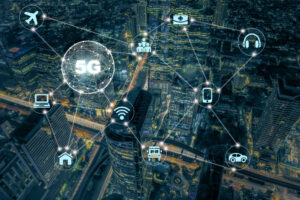
Modern cities are complex systems that require careful, integrated management of resources to ensure high-quality services for citizens. In this context, IoT solutions are a key enabler for transforming cities into smart and sustainable urban environments. Thanks to the interconnection of a multitude of sensors, actuators, and information systems, IoT platforms enable comprehensive and dynamic monitoring of the performance of critical infrastructure, optimizing service delivery.
Three key areas are energy, mobility, and public lighting. However, building networks of smart devices for decentralized data collection and processing requires complex design and the integration of cross-functional skills. It is therefore crucial to rely on partners specialized in the creation and design of flexible and scalable smart IoT platforms, capable of effectively responding to the specific needs of urban environments.
Energy Service Management in Smart Cities
Intelligent energy service management plays a key role in enabling the development of smart cities and the transition to sustainable production and consumption models. Electrification, decentralization, and digitalization processes are the fundamental pillars for the transition to energy networks based entirely on renewable sources. In particular, decentralizing supply through self-generation and consumption monitoring is crucial for increasing regional energy independence and reducing costs related to transportation and long-distance distribution. IoT solutions, which allow remote monitoring and control of system performance, are crucial in this regard.
The use of technology allows for energy consumption reduction through precise monitoring of needs and optimal operation of systems such as HVAC (Heating, Ventilation, and Air Conditioning). Integrated control of entire industrial or urban complexes, such as public buildings, schools, and shopping centers, enabled by connectivity between buildings and related facility management systems, is particularly effective. In this regard, it is crucial to design and implement reliable IoT solutions capable of collecting and processing a vast amount of environmental data, providing valuable information to increase energy efficiency and develop advanced models for sustainable energy production and distribution within smart cities.
Intelligent Mobility Management with IoT
The use of IoT solutions is also crucial for intelligent mobility management within smart cities. Connected devices enable real-time monitoring of traffic conditions and remote response to events, significantly improving traffic flow and user safety. Advanced systems such as smart traffic lights and automated parking solutions are becoming increasingly widespread, enabling coordinated management of traffic flow and better allocation of infrastructure resources. Variable message signs are also a key tool for promptly informing drivers of changes in road signs, weather conditions, or any accidents.
Industrial routers, designed to withstand the most challenging outdoor environments, provide reliable IoT infrastructure for the secure transfer of collected data to central data collection and control centers. Smart camera systems and license plate recognition enable valuable information to define the most efficient routes and manage parking areas. The connectivity provided by these devices allows road users to be informed of estimated average travel times, taking into account variables such as roadworks and traffic jams. Automated parking solutions are also crucial, as they can streamline the use of parking spaces and limit traffic congestion. For optimal implementation and design of IoT infrastructures dedicated to intelligent traffic management, it is essential to rely on specialized partners who can customize solutions based on specific needs and support public administrations in smart mobility initiatives.
Smart Street Lighting
Finally, smart street lighting represents one of the most important IoT solutions for the development of smart cities and the implementation of efficient management of urban energy services. Thanks to the integration of sensor systems and wireless networks, LED lighting points can be controlled and monitored remotely, enabling the provision of advanced smart lighting services. The widespread adoption of adaptive public lighting allows for dynamically modulating light output based on external parameters such as light and visibility conditions and vehicle traffic, resulting in significant energy savings without reducing lighting quality. Public lighting infrastructure also represents a key enabler for the development of electric mobility, thanks to the possibility of using light fixtures as charging stations for electric vehicles.
The creation of a widespread network of charging points could incentivize the transition to zero-emission transport solutions, including for public fleets. Smart LED street lighting systems also serve as data transmission hubs for the implementation of other smart urban services, such as public Wi-Fi, video surveillance, and air quality monitoring. This latter application is particularly relevant for detecting polluting emissions and developing plans to improve air quality. Lighting also plays a strategic role in enhancing the city’s artistic and architectural heritage, through lighting design techniques that enhance its aesthetic qualities, also benefiting tourism, while simultaneously containing energy costs through highly efficient LED solutions.
Ultimately, to maximize the benefits of smart public lighting and foster its development, it is necessary to rely on qualified energy partners for the creation and design of IoT systems, capable of effectively supporting public administrations in redevelopment projects and in the broader transition to smart cities.