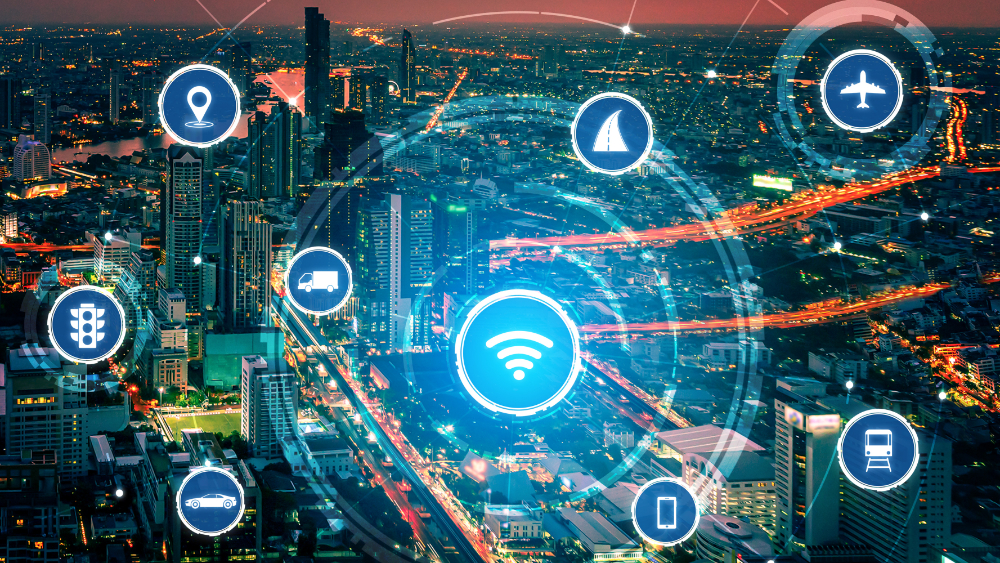
The Internet of Things (IoT) has opened new frontiers in automation and connectivity, but to fully exploit its potential, even more intelligent and adaptive systems are needed. In this context, advanced IoT systems are emerging as solutions capable of enhancing the performance and efficiency of IoT-based technologies. These intelligent systems are characterized by advanced features that go beyond simple connectivity.
Integrated automation, real-time monitoring, and an intuitive user interface are just some of the distinctive elements that enable these systems to autonomously and adaptively manage multiple processes and applications. Beyond their key features, Smart IoTs find application in numerous fields, from industrial management to predictive maintenance to urban automation. Furthermore, the design and implementation of IoT solutions that integrate these advanced features represents a strategic opportunity to fully exploit the potential of the Internet of Things. This technological landscape outlines the evolution of the Internet of Things towards increasingly intelligent and adaptive solutions, capable of significantly transforming the efficiency, safety, and sustainability of complex systems.
Smart IoT: Key Features
Smart IoT represents a significant evolution in the Internet of Things, integrating advanced features that enhance its potential and efficiency. Here are the key features of these systems:
Features of Smart IoT Controls:
– Integrated Automation: Smart IoT controls enable advanced automation through the direct integration of sensors and actuators, enabling autonomous management of multiple processes.
– Real-time Monitoring: These systems offer continuous, real-time monitoring of key parameters and information, providing a complete and up-to-date overview of the situation.
– Intuitive Interfaces: Smart IoT controls are equipped with simple and intuitive user interfaces, facilitating end-user interaction and control.
– Advanced Connectivity: These systems are able to communicate and exchange data with other devices and systems, leveraging advanced connectivity protocols.
Integration of IoT Sensors and Actuators for Automated Management:
The key feature of Smart IoT lies in the integration of a wide range of sensors and actuators, enabling automated and intelligent management of multiple functions and processes. These systems collect sensor data in real time, process it, and send commands to actuators to perform the necessary actions, without the need for manual intervention.
Advanced artificial intelligence algorithms for real-time analysis:
Smart IoT systems incorporate advanced artificial intelligence algorithms that enable real-time analysis of sensor data. These algorithms are able to identify patterns, detect anomalies, and make autonomous decisions, constantly optimizing system operation.
Self-learning and adaptive parameter optimization:
Another distinctive feature of Smart IoT systems is their ability to self-learn and adaptive parameter optimization. Through machine learning, these systems are able to autonomously improve their performance, adapting to changing conditions and optimizing operating parameters to ensure maximum efficiency. Building and designing IoT systems that integrate these advanced features represents a significant opportunity to improve the efficiency, reliability, and intelligence of Internet of Things solutions.
Smart IoT Controls: Applications
Smart IoT systems have a wide range of applications across various fields, demonstrating their versatility and ability to improve system efficiency and intelligence.
Intelligent management of industrial plants and critical infrastructure: Smart IoT systems are particularly suited for the intelligent management of industrial plants and critical infrastructure, such as power plants, water systems, transportation and logistics networks.
Through the integration of sensors and actuators, these systems enable real-time monitoring and automated control of key parameters, optimizing processes, reducing failures, and improving safety.
Remote control and predictive maintenance of systems and machinery: Smart IoT systems play a key role in the remote control and predictive maintenance of systems and machinery, both in industrial and residential settings. Through continuous monitoring and advanced data analysis, these systems can identify potential problems and impending failures, enabling targeted and timely maintenance interventions.
Advanced automation of buildings, cities, and urban mobility: A significant application area for Smart IoT systems is the advanced automation of buildings, cities, and urban mobility systems. These systems enable the intelligent management of lighting, heating, ventilation, security, and other services, optimizing energy consumption and improving user comfort and safety. Furthermore, in the context of urban mobility, Smart IoT systems enable traffic monitoring and control, supporting intelligent transportation solutions.
Smart IoT systems also play a key role in remote diagnostics design. These systems enable remote monitoring and diagnosis of equipment and infrastructure, allowing experts to promptly identify and resolve issues without the need for on-site interventions. Through real-time analysis of sensor data, Smart IoT systems can detect anomalies and malfunctions, sending alerts and diagnostic information, thus enabling proactive maintenance and optimal intervention planning.
This capability is particularly valuable in contexts where physical access to equipment may be difficult or risky, such as in remote industrial plants, critical infrastructure, or in emergency situations. Thanks to Smart IoT systems, experts can monitor and intervene remotely, increasing reliability and reducing maintenance time and costs. These applications demonstrate how Smart IoT can transform and significantly improve efficiency, sustainability, and quality of life in multiple contexts, from industries to cities, representing a major turning point in the Internet of Things.