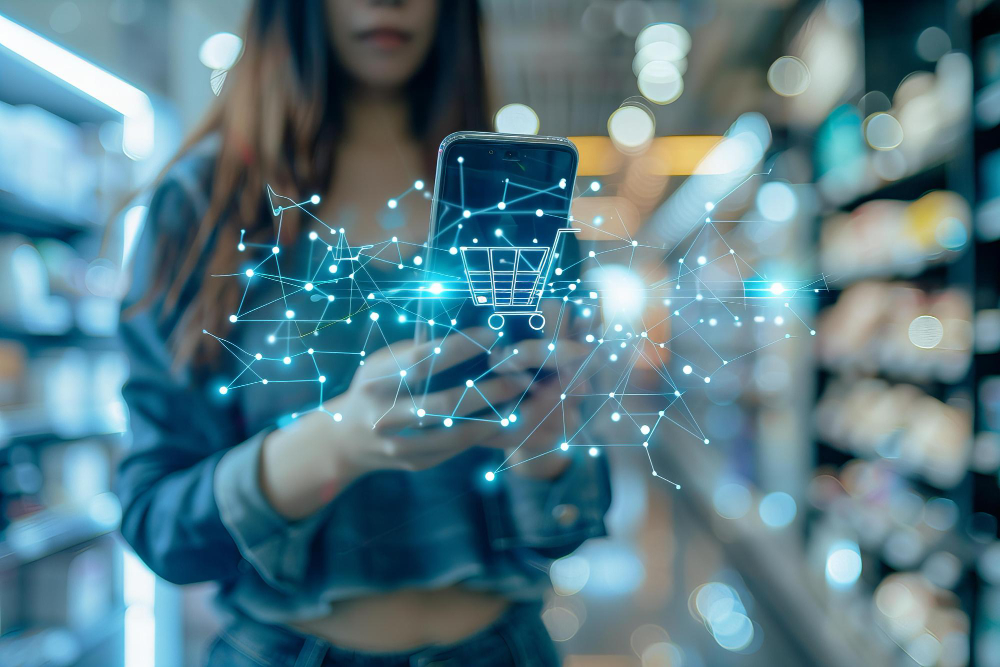
The Smart Retail model is now a rapidly growing reality in the global retail landscape. Constantly evolving consumer needs and technological innovation have made this paradigm increasingly pervasive and influential. The design and implementation of sophisticated network infrastructures based on distributed sensor networks and integrated communication systems represents a fundamental enabling component for the development of smart retail applications.
Only through the acquisition and analysis of large amounts of data collected in real time is it possible to provide personalized services and access detailed information on the dynamics within physical stores. These so-called M2M (“machine-to-machine”) networks not only enable the constant monitoring of flows, inventory, and movements within stores, but also the delivery of location-based content across multiple touchpoints and support complex demand forecasting operations.
A data-driven approach has become crucial for maximizing efficiency along the distribution chain and focusing on the end consumer, the true driver of the Smart Retail model’s success. Industry studies confirm that leading companies are already reaping significant profitability benefits thanks to the implementation of advanced data collection and analysis solutions. In the coming years, the convergence of retail with the most innovative digital technologies could lead to an even more radical restructuring of the sector, with significant competitive benefits for the most innovative operators attentive to the ever-evolving dynamics of contemporary markets.
Smart Retail: Key Technologies
Smart retail is an innovative retail model that leverages the potential of certain technologies to improve the consumer shopping experience and increase process efficiency. The main technologies underlying smart retail include the Internet of Things (IoT), artificial intelligence (AI), and cloud computing. IoT enables the connection of various devices to collect and process large amounts of data relating to customer preferences and in-store behavior. This data is analyzed using AI to offer personalized experiences and tailored services. Cloud computing, on the other hand, allows for the storage and sharing of such information in a decentralized manner, accessible from any device.
Thanks to the design and implementation of IoT solutions, it is possible to monitor inventories, customer movements, and resource usage in real time, optimizing processes throughout the distribution chain and enabling innovative features within physical stores. For example, the integration of augmented reality systems and interactive digital screens allows for the personalization of the shopping experience based on preferences expressed online.
Furthermore, the use of contactless technologies, such as mobile payment systems, makes the customer experience more seamless and secure, a crucial aspect in the current context. The extensive use of information collected on a large scale has enabled the development of powerful AI systems capable of supporting managers’ decisions in real time. For example, by monitoring warehouse fill rates and sales volumes, it is possible to prevent product shortages or overstocking, significantly increasing efficiency. Smart retail therefore represents a true revolution capable of radically transforming the retail sector.
Data Analytics and Personalized Customer Experience
Data analytics and personalized customer experience are also key aspects of the smart retail model. Through the creation and design of IoT systems, data is collected through communication between devices and computers. As a result, consumers can enjoy a more personalized, faster, and smarter experience. IoT systems enable the collection and processing of large amounts of data related to customer preferences and behavior, allowing operators to analyze it using sophisticated artificial intelligence techniques.
These advanced data analytics systems aim to offer personalized customer experiences based on the information collected. For example, analyzing online shopping habits allows targeted offers to be sent to customers as they approach the physical store, creating synergies between sales channels and increasing the likelihood of completing the transaction. Furthermore, monitoring in-store behavior via IoT systems allows customers to be grouped based on their preferences and offered targeted promotions in real time.
These personalized interactions significantly improve the customer shopping experience, building brand loyalty. The availability of large amounts of detailed consumer data also enables the development of powerful artificial intelligence algorithms capable of supporting real-time business decisions, such as optimizing inventory management.
Data analytics and personalization are therefore key aspects of smart retail for improving process efficiency and benefiting both customers, through more engaging shopping experiences, and industry operators. The integration of advanced cybersecurity systems into IoT infrastructures also helps protect sensitive user data, ensuring the highest cybersecurity standards. These innovations help simplify the customer journey and meet consumers’ ever-evolving expectations, building brand loyalty.